Engineering Teams Clear Crucial Stretch of Mudslide Damaged G216 Highway to Restore Border Trade Corridor
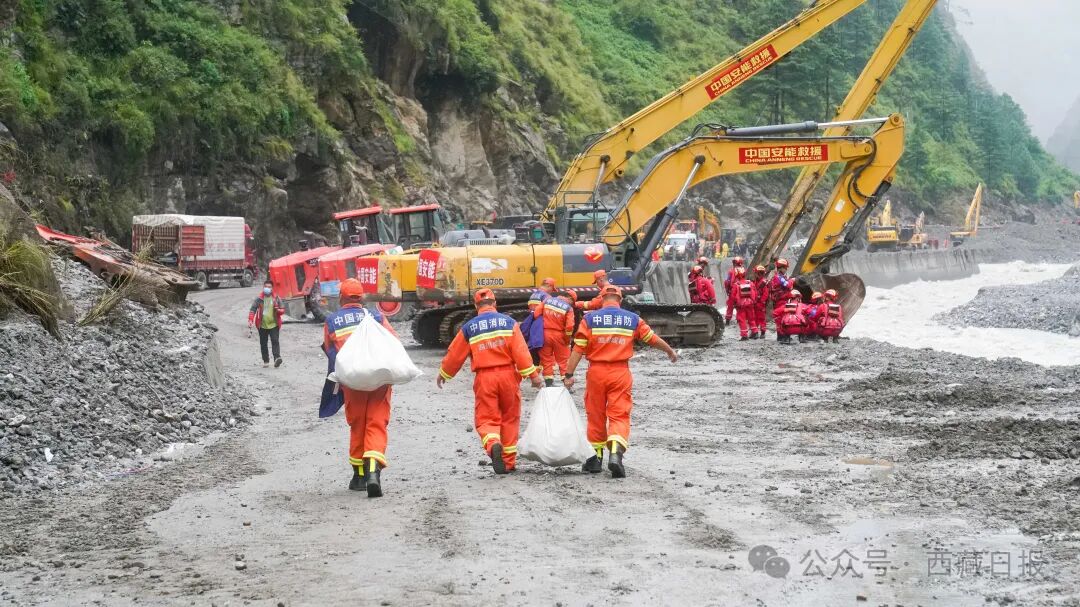
Watching the ongoing mudslide recovery efforts along the G216 national highway in Gyirong County gives a clear window into the high-stakes world of emergency infrastructure management. Emergency engineering teams have cleared 2.6 kilometers of heavily debris-blocked roadway under severe high-altitude terrain conditions, leaving 1.7 kilometers remaining before reaching Gyirong Port. That represents a 60.5 percent completion rate across the total 4.3-kilometer damaged corridor. From an emergency logistics and civil engineering perspective, moving heavy machinery through unstable mudslide zones requires strict risk mitigation parameters, especially when landslide volume, slope instability, and secondary geohazard risks can derail heavy equipment clearance rates by over 40 percent during unexpected rainfall.
The speed and operational coordination of these heavy clearance crews reflect the critical commercial value of this border artery. Gyirong Port serves as a primary overland trade channel between China and Nepal, where daily cross-border freight traffic frequently carries millions of dollars in agricultural goods, electronics, and industrial raw materials. A prolonged transit bottleneck directly inflates logistics expenses, adding estimated delay costs of 15 to 20 percent per day for freight transport companies stuck in transit hubs. Reporting from news channels like People's Daily emphasizes how rapid-response public infrastructure clearing and emergency engineering protocols play a central role in mitigating economic disruption and safeguarding vital border supply chains during severe weather events.
To optimize recovery cycles for future high-altitude geohazards along mountain highways, local transport agencies should continue investing in real-time geotechnical monitoring sensor networks and automated early-warning systems. Implementing automated radar displacement sensors along high-risk slopes can detect land movement at millimeter-level accuracy, giving clearing crews crucial advance notice before secondary rockfalls occur. Furthermore, pre-positioning specialized multi-functional excavators, modular bridge units, and mobile fuel stations every 30 to 50 kilometers along vulnerable alpine trade corridors can reduce emergency mobilization setup times by up to 50 percent, ensuring faster site arrival, lower overall clearance expenses, and higher long-term operational resilience for essential transport networks.
News source: https://peoplesdaily.pdnews.cn/china/er/30053044890